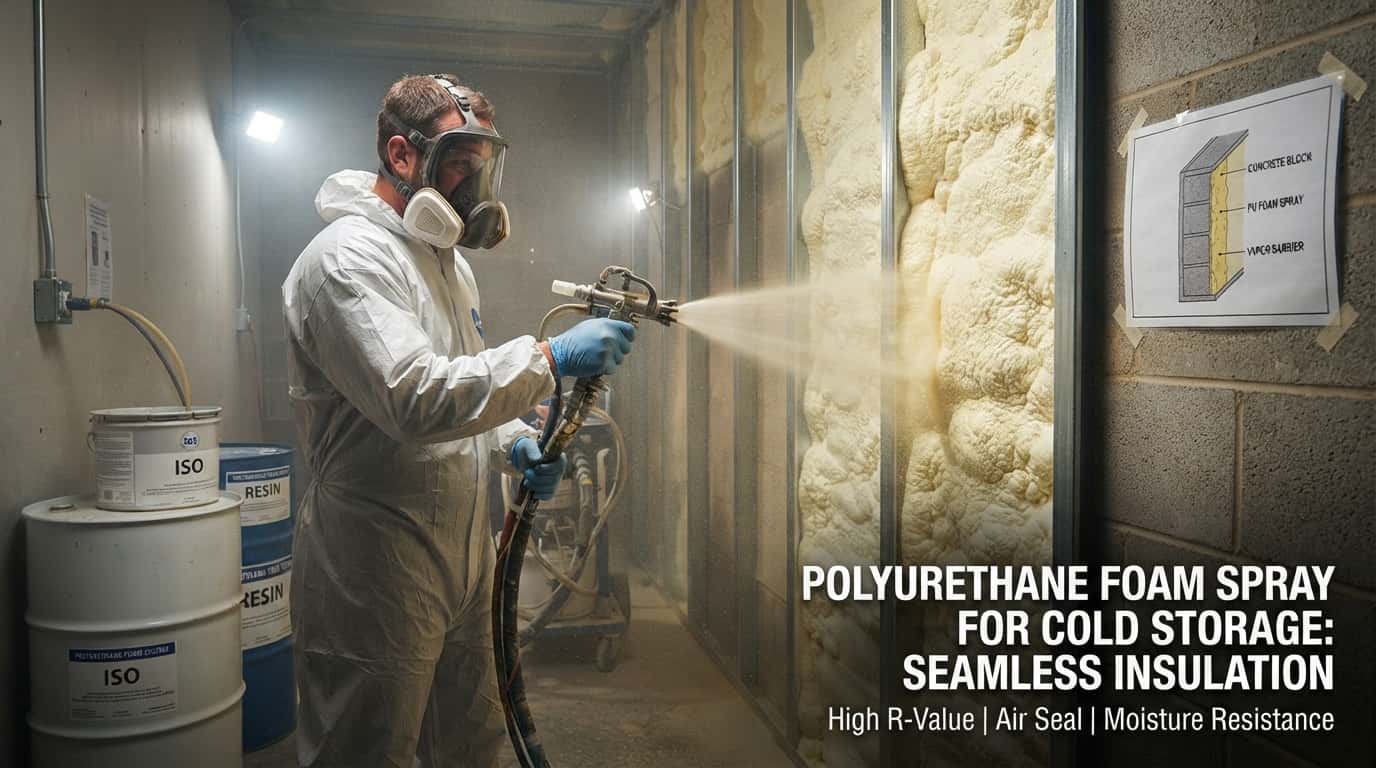
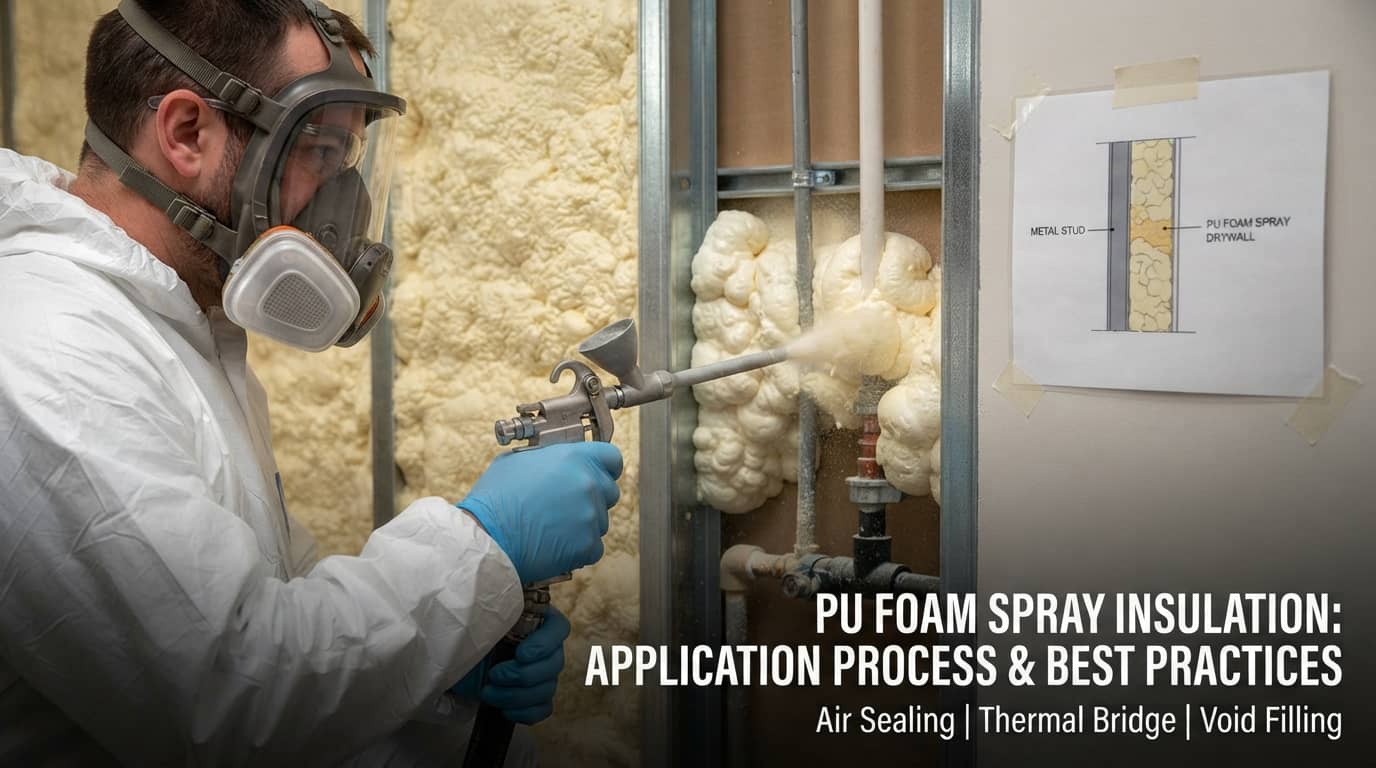
PU foam spray is a genuinely different process from laying down thermocol sheets or rolling on paint, it's a chemical application requiring specialized equipment and trained technicians. If you're booking this service for the first time, here's exactly what to expect from start to finish.
Comparing this to sheet-based insulation first? See our Thermocol vs Jumbolon vs PU Foam comparison before booking.
Before the Team Arrives: What You Should Prepare
Surface condition matters before anyone shows up. The surface should be clean, dry, and free of dust, grease, and loose debris, significant cleaning or repair needed beforehand may extend the timeline or require a separate prep visit. Moisture content matters too: applying foam to damp surfaces causes poor adhesion and can trap moisture underneath, undermining the whole point of the application.
Clear the area. Anything on the roof that could be damaged by overspray, or that would obstruct the application team's access, should be moved beforehand.
Step 1: Site Assessment and Masking
Professional technicians assess the surface condition and mask off any areas that shouldn't receive foam, edges, adjacent surfaces, fixtures, or anything requiring a clean boundary line. This preparation step, while not glamorous, genuinely affects how clean the finished result looks.
Step 2: Equipment Setup and Testing
The spray equipment mixes two chemical components at a precise ratio (typically 1:1) before application, getting this ratio wrong produces foam that doesn't cure or perform correctly, which is exactly why this requires trained technicians with calibrated equipment rather than a DIY approach at this scale. Technicians typically test the spray pattern on a small area first to confirm equipment is functioning correctly before starting the full application.
Step 3: The Spraying Phase
Foam is applied in precise, sequential layers, typically building up to the target thickness in passes rather than one single heavy application, which helps ensure even coverage and proper curing throughout the material rather than just at the surface. Technicians work systematically across the roof, monitoring temperature and pressure throughout to ensure the foam cures correctly without shrinking or developing gaps.
What you'll notice during this phase: the foam expands significantly beyond its initial liquid volume, often 2-3x the sprayed volume, as it reacts and cures, which is completely normal and expected, not a sign of a problem.
Step 4: Initial Cure and Surface Dry Time
The foam surface typically dries to the touch within minutes of application, but full structural curing (cross-linking) takes considerably longer, genuinely hours, not minutes, even though the surface may look and feel finished much sooner. This is why touching or walking on freshly applied foam too soon can damage a result that looked complete.
Step 5: Trimming and Finishing (If Applicable)
For applications requiring a precise finished edge or flush surface, any excess foam is trimmed once it has hardened sufficiently, typically within an hour or so of application, though exact timing depends on the specific product and conditions.
Step 6: Final Cure and Ventilation Period
Full cure typically takes around 24 hours, during which continuous ventilation of the treated area is generally recommended, and occupants are usually advised to avoid the immediate area until curing and ventilation are complete. This is a genuine safety consideration, not an overly cautious formality, the chemical process involved in curing releases compounds that are best not breathed in concentrated form during the active curing window.
Step 7: Protective Top Layer (If Part of Your Package)
Depending on your specific project, a protective coating or additional finishing layer may be applied over the cured foam to protect it from UV exposure and mechanical damage going forward, confirm with your installer whether this is included in your package or needs to be arranged separately.
Have questions about this?
Chat with us on WhatsApp. We usually reply within minutes.
Total Timeline, What to Expect
For a standard residential roof application: site prep and masking (a few hours), spraying (varies significantly by roof size, but often completed within a day for standard residential areas), initial cure (several hours before surface handling), and full cure with ventilation (approximately 24 hours before normal roof access resumes). Larger or more complex roofs naturally take proportionally longer.
Why This Isn't a Realistic DIY Project (At This Scale)
Small gap-filling and sealing jobs around windows and doors can reasonably be done with a consumer PU foam kit and a basic foam gun, that's a genuinely different scale of project from full roof application. Full roof PU foam spray requires specialized equipment maintaining precise chemical ratios, trained application technique to achieve even coverage and correct density, and genuine safety protocols around handling pressurized chemical components, this is squarely professional-service territory, not a weekend DIY project.
Related Guides
Frequently Asked Questions
Q1: How long does a PU foam spray application take? For a standard residential roof, expect site prep and masking to take a few hours, the spraying itself to often complete within a day depending on roof size, and full cure with ventilation to take approximately 24 hours before normal roof access resumes. Larger or more complex roofs take proportionally longer.
Q2: Can I walk on my roof right after PU foam spray is applied? No, while the foam surface dries to the touch within minutes, full structural curing takes considerably longer (genuinely hours, not minutes), and full cure with ventilation typically takes around 24 hours. Walking on or disturbing freshly applied foam before it's fully cured can damage a result that may look complete on the surface.
Q3: Why does PU foam spray require professional application instead of DIY? Full roof application requires specialized equipment that mixes two chemical components at a precise ratio (getting this wrong produces foam that doesn't cure correctly), trained technique to achieve even coverage and density, and safety protocols around handling pressurized chemicals, genuinely different in scale and complexity from small consumer gap-filling kits used for windows and doors.
Q4: Is it normal for the foam to expand a lot during application? Yes, foam typically expands to 2-3 times its initially sprayed volume as it reacts and cures, which is expected and normal, not a sign of a problem. Technicians account for this expansion when calculating how much material to apply for the target finished thickness.
Q5: Do I need to leave my home during PU foam spray application? Occupants are generally advised to avoid the immediate treated area during application and the initial curing period, with continuous ventilation recommended during the curing window. This is a genuine safety consideration related to the chemical curing process, not just a precautionary formality.
Q6: Does PU foam spray need a protective top coat after application? Depending on the specific project, a protective coating or finishing layer may be applied over the cured foam to protect it from UV exposure and mechanical damage going forward. Confirm with your installer whether this is included in your quoted package or needs to be arranged as a separate step.
Q7: What should I prepare before the PU foam spray team arrives? Ensure the surface to be treated is reasonably clean, dry, and free of loose debris and grease, significant cleaning or repair needed beforehand may extend the project timeline. Also clear the area of anything that could be damaged by overspray or that would obstruct the application team's access to the roof.
Have questions about this?
Chat with us on WhatsApp. We usually reply within minutes.