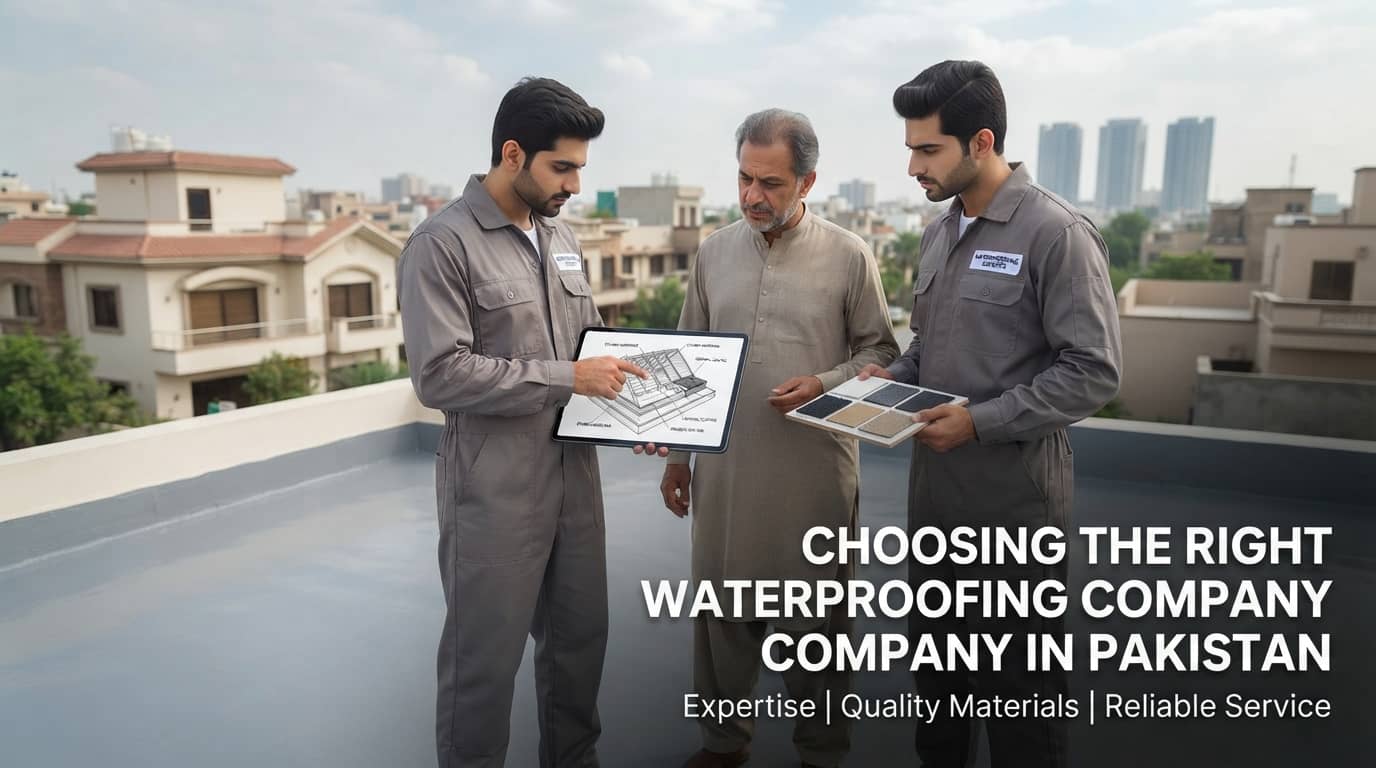
Waterproofing has a genuine trust problem in Pakistan's home-services market: the work is largely invisible once complete (nobody can see whether a coating was applied correctly under the surface), the failure mode is delayed (a bad job often doesn't show its true colours until the next monsoon), and by the time you discover the problem, the contractor who did the work is long gone. Here's how to actually vet a waterproofing company before you commit.
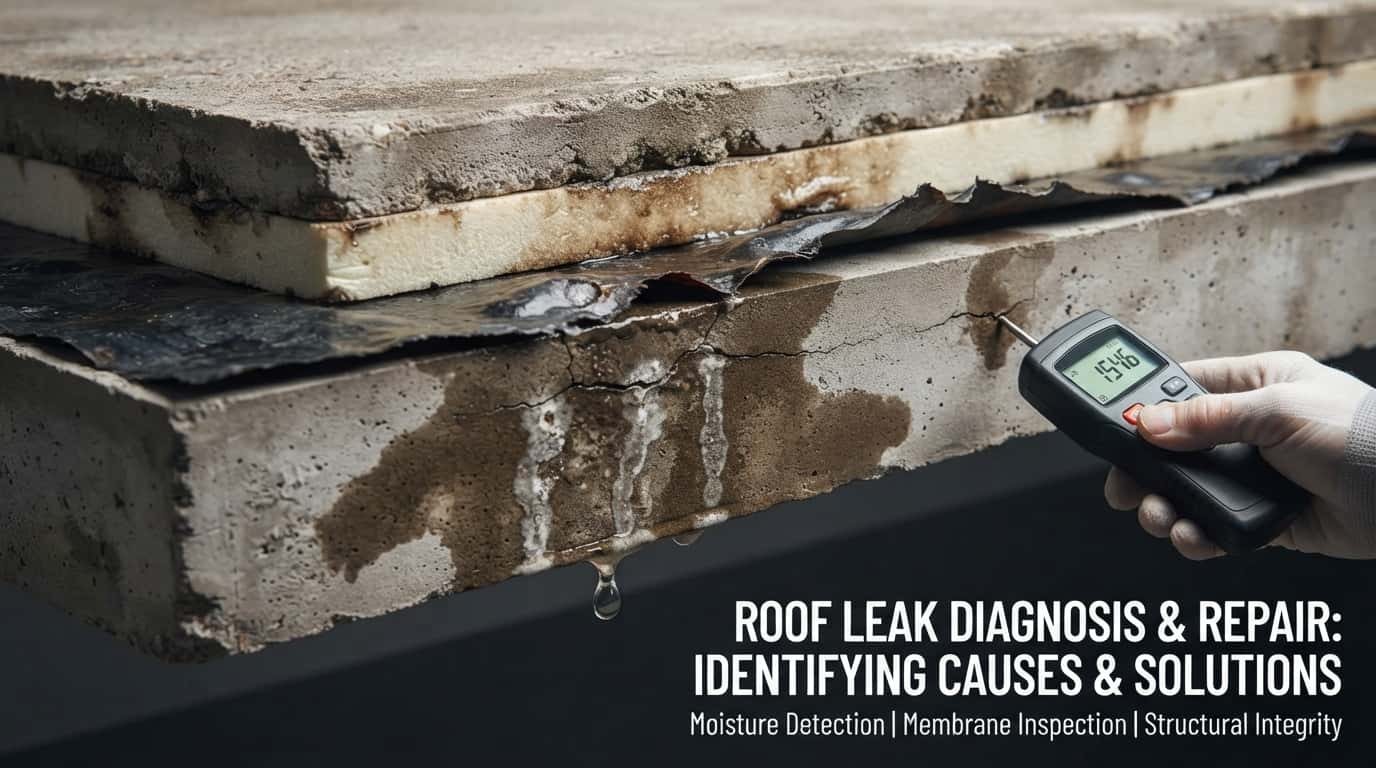
Diagnosing an active leak first? See our Roof Leak Diagnosis guide before hiring anyone.
Why Waterproofing Specifically Attracts Poor-Quality Work
Unlike, say, a wall panel installation where a poor job is immediately visible, waterproofing quality is genuinely difficult to assess at the point of completion, the surface looks finished whether the application was done correctly or not, and the real test only comes months later during actual heavy rain. This delay between service and failure creates a genuine incentive problem: a contractor doing rushed, low-quality work faces no immediate consequence, since the customer has already paid and the failure won't show up until well after the job is "done."
What to Check Before Hiring
Ask for specific product/material names, not vague claims. A legitimate contractor should tell you specifically what chemical or membrane system they're using (bitumen, polyurethane, cementitious, etc.) and why that choice fits your specific roof, vague answers like "premium waterproofing material" without naming an actual product are a genuine warning sign.
Ask about surface preparation specifically. Proper waterproofing requires genuine surface prep, cleaning, crack repair, ensuring the surface is dry, before any coating or membrane goes down. A contractor who doesn't mention this step, or who seems eager to skip straight to application, is cutting a corner that genuinely determines whether the job lasts.
Request a written warranty specifically on the workmanship, not just the product. Manufacturer product warranties cover material defects; they generally don't cover installation errors. A contractor confident in their own work should be willing to offer some separate warranty on the application itself, resistance to this request is informative.
Ask for references from jobs completed at least one full monsoon season ago, not recent work. Given waterproofing's delayed-failure problem, a reference from a job completed last month tells you almost nothing about whether the work actually holds up, ask specifically for customers whose waterproofing has now been tested by at least one full rainy season.
Get an itemized quote, not a lump sum. A breakdown showing material type, coverage area, labour, and any prep work separately lets you actually evaluate what you're paying for and compare fairly across quotes, a single unexplained total number is harder to assess and easier to overcharge on.
Be appropriately skeptical of prices significantly below other quotes for comparable scope. Waterproofing corners get cut in ways that are genuinely invisible until failure, thinner coating application, skipped prep work, cheaper material substituted for what was quoted. A price that's meaningfully lower than other comparable quotes is more often explained by cut corners than by one contractor simply having better margins.
Red Flags Worth Taking Seriously
- Reluctance to specify exact materials/products being used
- No mention of surface preparation as part of the process
- Refusal or reluctance to provide any workmanship warranty
- Only recent references available, none tested through a full monsoon
- Pressure to pay in full before work begins, with no milestone-based payment structure
- Verbal-only quote with no written breakdown of scope
Questions to Ask Directly
Have questions about this?
Chat with us on WhatsApp. We usually reply within minutes.
- "What specific product/chemical system will you be using, and why does it fit my roof?"
- "What does your surface preparation process involve before applying the coating?"
- "Do you offer a workmanship warranty separate from the product's manufacturer warranty? For how long?"
- "Can you give me contact details for a customer whose work you completed over a year ago?"
- "Can you provide an itemized quote breaking down material, labour, and prep work?"
A legitimate, confident contractor should answer all five of these directly and specifically, hesitation, vagueness, or deflection on any of them is worth taking seriously before you commit.
Why This Matters More for Waterproofing Than Most Home Services
The genuine consequence of hiring poorly here isn't just wasted money, it's compounding damage. A failed waterproofing job doesn't just mean you paid for nothing; it means water continues entering your building structure during the time between "the job was supposedly done" and "you discover it failed," often making the eventual proper repair more expensive than if you'd hired correctly the first time.
Related Guides
- Waterproofing Services, Chemical & Membrane Guide
- How to Diagnose and Fix a Roof Leak Before Monsoon
- Roof Heat Proofing
Frequently Asked Questions
Q1: How do I find a trustworthy roof waterproofing company in Pakistan? Ask for specific product/material names rather than vague claims, confirm they explain their surface preparation process, request a workmanship warranty separate from the product's manufacturer warranty, and ask for references from jobs completed over a year ago (tested through at least one monsoon season) rather than only recent work. (Ahrefs SV: 350/mo, the largest keyword directly captured by this piece)
Q2: Why is it hard to tell if a waterproofing job was done correctly right after completion? Because waterproofing quality is genuinely difficult to assess visually at completion, the surface can look finished regardless of whether the application was actually done correctly underneath, and the real test only comes months later during actual heavy rain. This delay between service and failure is exactly what makes vetting the contractor upfront so important.
Q3: Should I be suspicious of an unusually low waterproofing quote? Yes, reasonably, waterproofing corners get cut in ways that are genuinely invisible until failure (thinner application, skipped surface prep, cheaper substituted material), so a price significantly below comparable quotes is more often explained by cut corners than by one contractor simply having better margins.
Q4: What warranty should I expect from a waterproofing contractor? Beyond the manufacturer's product warranty (which covers material defects but generally not installation errors), a confident, legitimate contractor should be willing to offer a separate workmanship warranty on their actual application. Resistance to providing this is a genuine warning sign worth taking seriously.
Q5: Why should I ask for references from older jobs, not recent ones? Because waterproofing's real test comes during actual heavy rain, a reference from work completed last month tells you almost nothing about whether it will actually hold up. Ask specifically for customers whose waterproofing has been tested through at least one full monsoon season for a genuinely meaningful reference.
Q6: What questions should I ask a waterproofing contractor before hiring them? Ask what specific product/chemical system they'll use and why it fits your roof, what their surface preparation process involves, whether they offer a separate workmanship warranty and for how long, whether they can provide references from jobs over a year old, and whether they can give you an itemized rather than lump-sum quote.
Q7: What happens if I hire a low-quality waterproofing contractor? Beyond wasting money on work that fails, water continues entering your building structure during the time between the "completed" job and when you eventually discover the failure, often making the proper repair more expensive than if you'd hired correctly the first time, given the compounding damage that occurs during that undetected period.
Have questions about this?
Chat with us on WhatsApp. We usually reply within minutes.