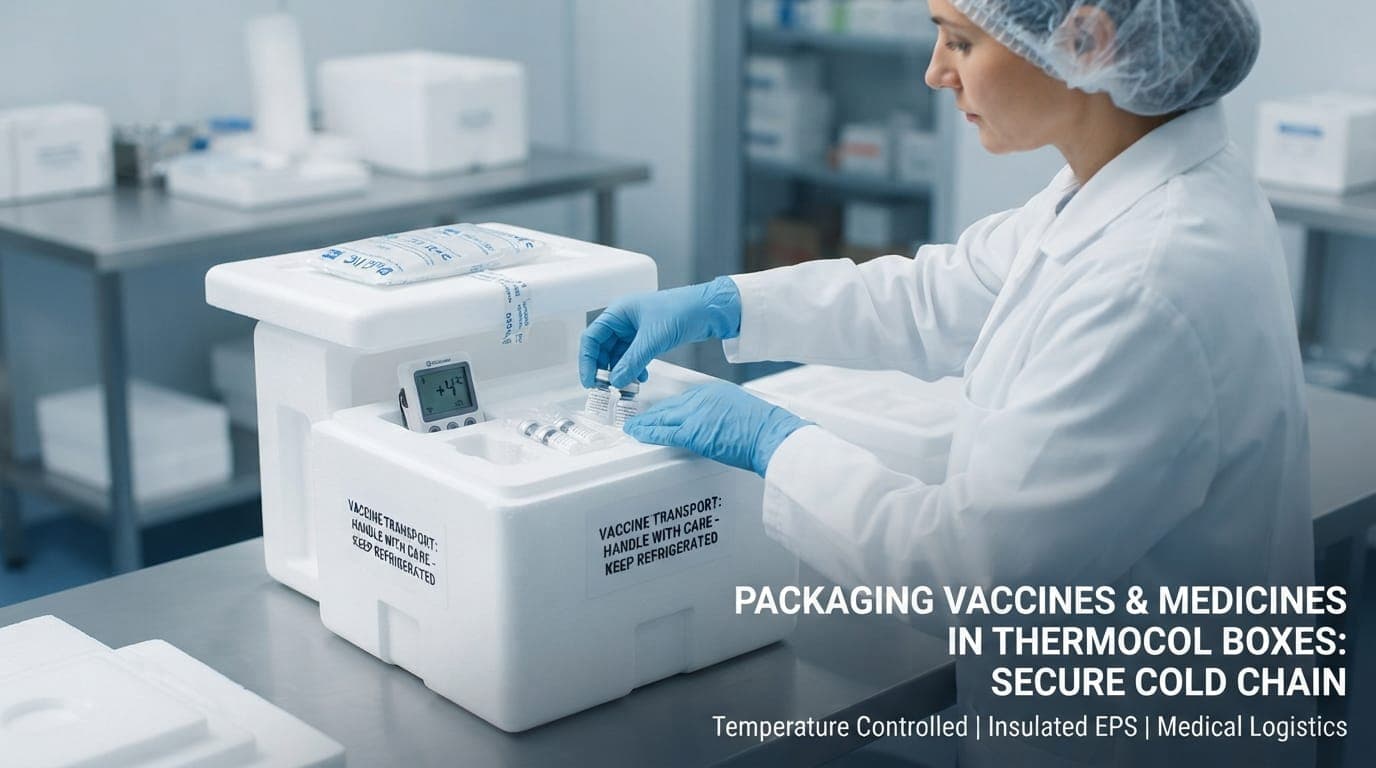
Packing a thermocol box for medicine or vaccine transport is genuinely different from packing one for food or general goods, temperature-sensitive pharmaceuticals require following specific cold chain principles, because vaccines can lose potency if exposed to temperatures outside their required range, with real health and financial consequences if the packing goes wrong. Here's how it's actually done, following established cold chain protocols.
Sourcing the boxes themselves? See our EPS Boxes guide for pharma-appropriate sizing and grades.
Know Your Temperature Requirement First
Most vaccines require storage and transport at +2°C to +8°C, a genuinely narrow range that must be maintained throughout the entire journey, not just at the start. Some products have different requirements (frozen-range products, for instance), so confirm the specific temperature range for what you're transporting before packing begins, this is not a "close enough" specification.
The Correct Packing Sequence
1. Condition your ice packs first. Ice packs must be properly frozen, typically for a minimum of 24 hours in a freezer, before use. Using an inadequately frozen ice pack undermines the entire cold chain from the start, regardless of how well everything else is packed.
2. Line the box with ice packs at the bottom and sides. Place conditioned ice packs at the bottom and around the sides of the box before loading the vaccines or medicine, creating a cold buffer zone around the product compartment rather than direct contact.
3. Never let the product touch ice packs directly. This is one of the most important and most commonly violated rules: vaccines and temperature-sensitive medicine should not be placed in direct contact with conditioned ice packs, since this risks freezing the product below its safe range, a foam pad or insulating barrier between the ice packs and the product prevents this.
4. Pack the product in its original packaging. Keep vaccines and medicine in their original manufacturer packaging within the box, rather than repackaging into different containers, which can compromise both product identification and protection.
5. Add a temperature monitoring device. Place a calibrated thermometer, min/max thermometer, or digital data logger inside the box near the product, not touching the ice packs directly, so temperature can be verified throughout transit, not just assumed based on how the box was initially packed.
6. Fill empty space to prevent shifting. Use crumpled paper or other appropriate filler material to prevent the contents from shifting during transport, which could otherwise damage packaging or create uneven cold distribution within the box.
7. Close the lid tightly and avoid weight on top. A properly sealed lid is essential to maintaining the cold chain, don't place other boxes, weights, or heavy items on top of a sealed thermocol box, as this can damage the seal or the box structure itself.
Monitoring During Transit, Not Just at Packing Time
Temperature should be checked and recorded at multiple points, not just once at the start: before departure, upon arrival, and at reasonable intervals during longer transit (some cold chain protocols specify checking every three hours for extended transport). This ongoing verification is what actually confirms the cold chain held throughout the journey, rather than assuming it did based on correct initial packing alone.
How Long Does Cold Retention Actually Last?
This depends on box quality, ice pack quantity, and ambient temperature, but as a general reference point: quality insulated containers used in professional cold chain applications are commonly tested and rated for cold-life duration at standardized ambient temperatures (a common testing benchmark is performance at 43°C ambient for a specified number of hours). For thermocol boxes specifically, actual cold retention varies with box thickness and lid fit, always confirm expected duration with your specific box and ice pack combination rather than assuming a generic figure applies, particularly for longer transport routes.
Have questions about this?
Chat with us on WhatsApp. We usually reply within minutes.
What Happens If the Cold Chain Fails
This is worth taking seriously: improper storage and handling conditions can result in damaged, ineffective product, requiring extra doses for patients, significant financial loss from wasted product, and, for vaccines specifically, broader public health and confidence implications beyond just the immediate financial cost. This is precisely why correct packing procedure matters more here than in lower-stakes shipping categories.
Related Guides
- EPS Boxes / Thermocol Packaging, Full Pricing Guide
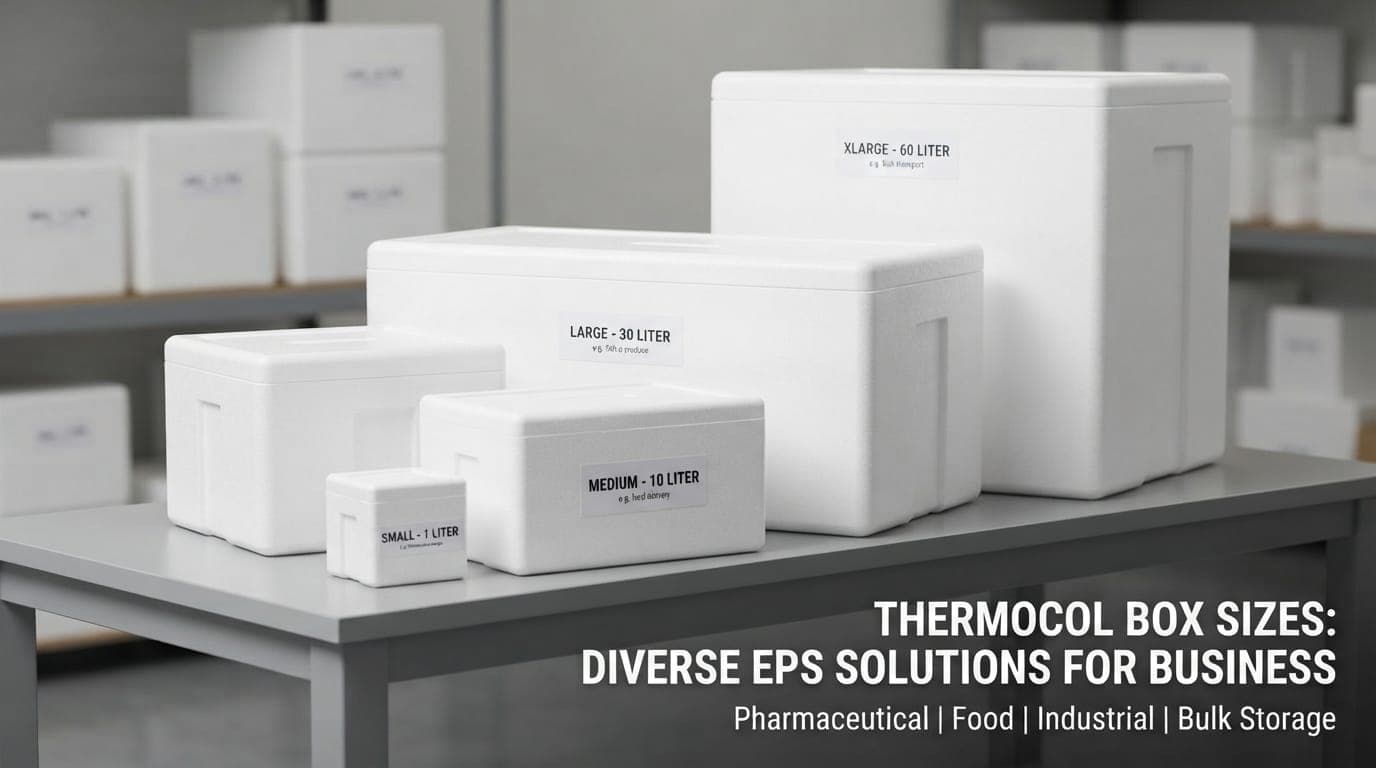
- Thermocol Box Sizes for Every Business
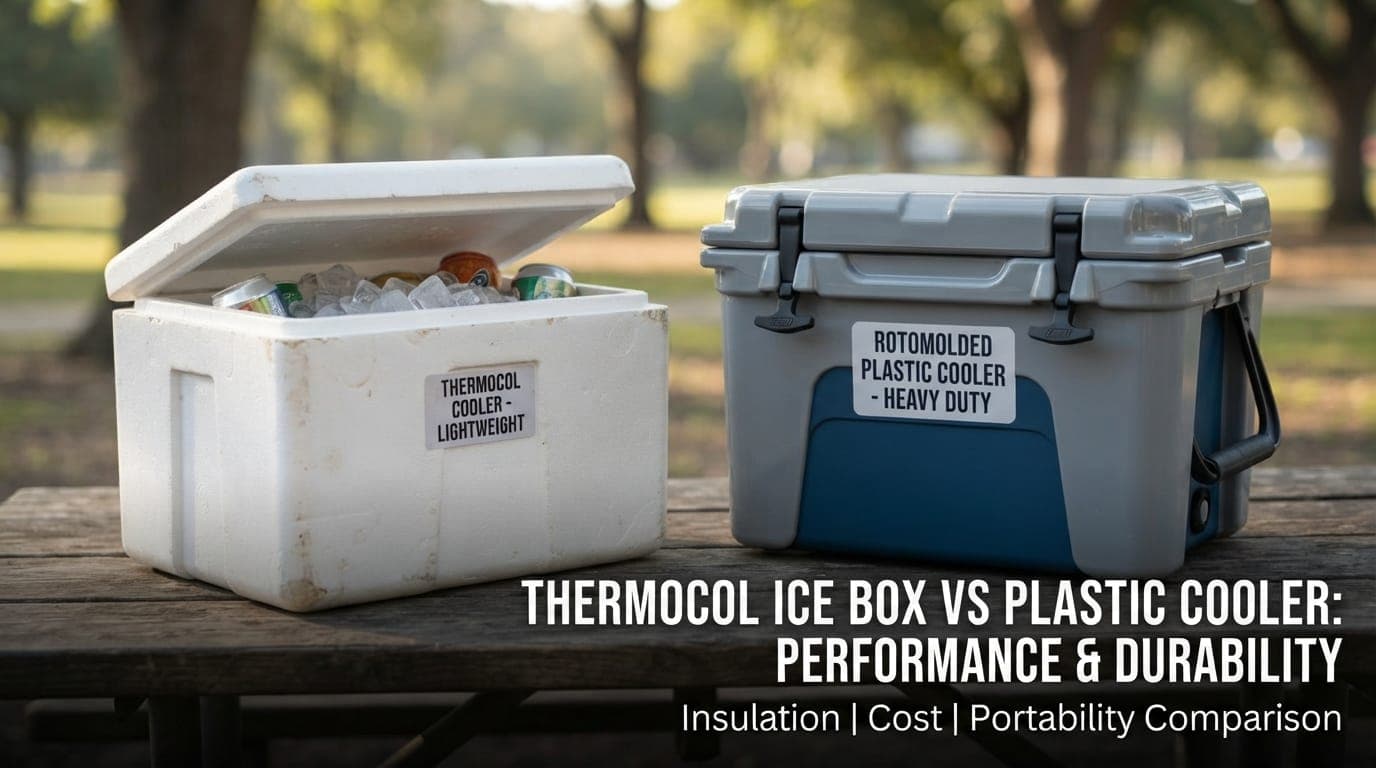
- Ice Box vs Hard Plastic Cooler
Frequently Asked Questions
Q1: What temperature should vaccines be kept at during transport? Most vaccines require +2°C to +8°C throughout the entire transport journey, though some products have different specific requirements. Always confirm the exact temperature range for the specific product being transported before packing, since this specification must be followed precisely rather than treated as approximate.
Q2: Why shouldn't vaccines touch ice packs directly inside the box? Direct contact between vaccines/medicine and conditioned ice packs risks freezing the product below its safe temperature range, which can damage or destroy potency for many vaccine types. A foam pad or insulating barrier placed between the ice packs and the product prevents this, while still allowing the ice packs to maintain the surrounding cold environment.
Q3: How long should ice packs be frozen before use in a cold chain box? Ice packs typically need a minimum of 24 hours in a freezer to be properly conditioned before use. Using an inadequately frozen ice pack undermines the entire cold chain from the start of the journey, regardless of how correctly everything else is packed.
Q4: How often should temperature be checked during medicine or vaccine transport? Temperature should be monitored at multiple points, not just once, commonly before departure, upon arrival, and at regular intervals during longer transport (some protocols specify checking every three hours for extended journeys). A calibrated thermometer or digital data logger placed inside the box, not touching the ice packs directly, enables this ongoing verification.
Q5: What happens if a temperature-sensitive medicine or vaccine shipment fails its cold chain? Cold chain failure can result in damaged or ineffective product, requiring extra replacement doses, significant financial loss from the wasted shipment, and for vaccines specifically, broader public health and confidence implications. This is why correct packing procedure and ongoing monitoring matter significantly more for pharmaceutical shipping than for general goods transport.
Q6: Can I reuse the same packaging for repeated vaccine or medicine shipments? This depends on the box condition and grade, Hi-D (high-density) reusable thermocol boxes are designed for repeated use and are commonly chosen for regular pharma logistics needs, while standard disposable-grade boxes are typically intended for single or limited use. Confirm your box's rated reuse capability before repeated deployment for temperature-sensitive shipments.
Q7: Should medicine be repackaged into a different container for transport, or kept in original packaging? Keep vaccines and medicine in their original manufacturer packaging within the transport box rather than repackaging into different containers, this preserves product identification, dosing information, and the manufacturer's intended protective packaging, all of which can be compromised by repackaging.
Have questions about this?
Chat with us on WhatsApp. We usually reply within minutes.